
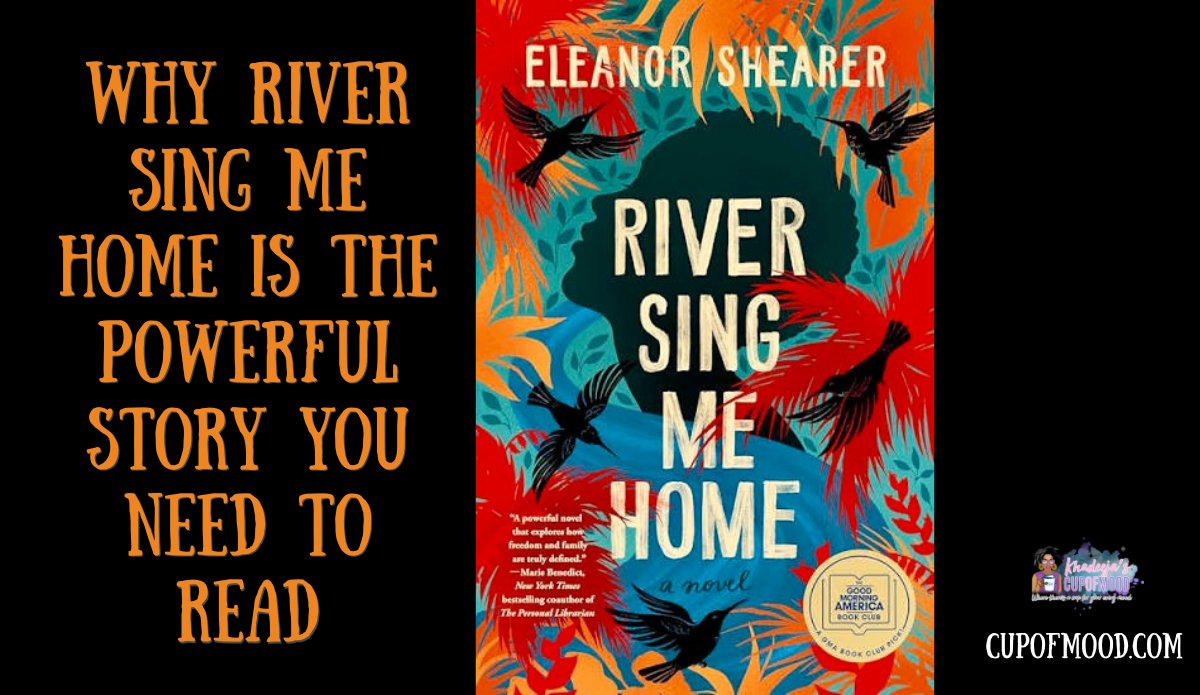
There are some books you enjoy while reading them. Then there are books that quietly settle into your spirit and stay there long after the final chapter ends. River Sing Me Home by Eleanor Shearer was one of those books for me.
This River Sing Me Home review was not always easy for me to write because this historical fiction novel explores enslavement, motherhood, survival, separation, and resilience throughout the Caribbean during a brutal period in history. Still, despite the difficult subject matter, I stayed fully immersed in the story because underneath everything was something deeply human: a mother’s love for her children.
As a mom myself, that emotional core resonated with me immediately. I have gone through many trials and tribulations with my own children over the years. Some experiences were very public. Others were deeply personal.
Because of those experiences, I understood Rachel’s determination immediately. There is very little I would not do for my children. As I listened to Rachel’s journey unfold, I kept thinking about the strength it would take to continue moving forward under those circumstances.
In fact, I should say especially under those circumstances. That emotional connection made this story feel personal to me.

🌴 The Caribbean Connection Made This Story Feel Even More Real
One reason this River Sing Me Home review affected me so deeply is because the novel takes place throughout different parts of the Caribbean.
If you know me at all, then you already know how much I love the Caribbean. Michael and I have spent years traveling throughout the islands. We’ve enjoyed sharing the Caribbean with our family, too. We enjoy the beaches, food, and beauty of the islands. However, we also make time for museums, plantations, cultural centers, and historical sites because the history matters to us.
Before we started spending time in the Caribbean, if I’m being honest, I guess I never really thought about slavery. I knew there were Black people there but I assumed they were the indigenous people.
Growing up in the United States, I mostly thought slavery existed here. As we explored the Caribbean, I began to understand how vast the Transatlantic Slave Trade really was.
That background changed the way I experienced this Caribbean historical fiction novel. As I read River Sing Me Home, I realized I was not imagining the scenery from scratch. I had already seen pieces of it during my travels.

🌺 The Face I Imagined While Reading River Sing Me Home
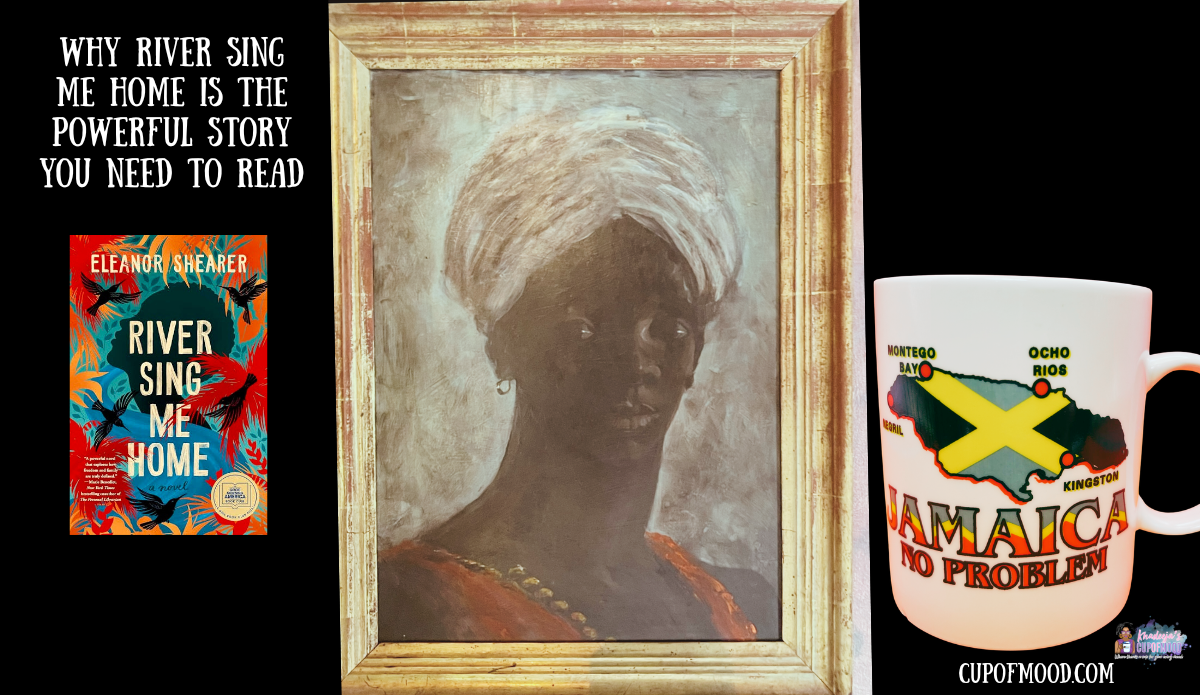
One of the strongest emotional connections I made while reading this historical fiction book came from a painting Michael and I saw during one of our visits to the Montego Bay Cultural Centre in Jamaica.
Michael and I have visited the center a couple of times because I have always been fascinated by Caribbean history and culture. Every time we travel throughout the islands, we make space for museums, historical landmarks, and cultural experiences. Understanding the history matters just as much to me as experiencing the beauty of the Caribbean itself.
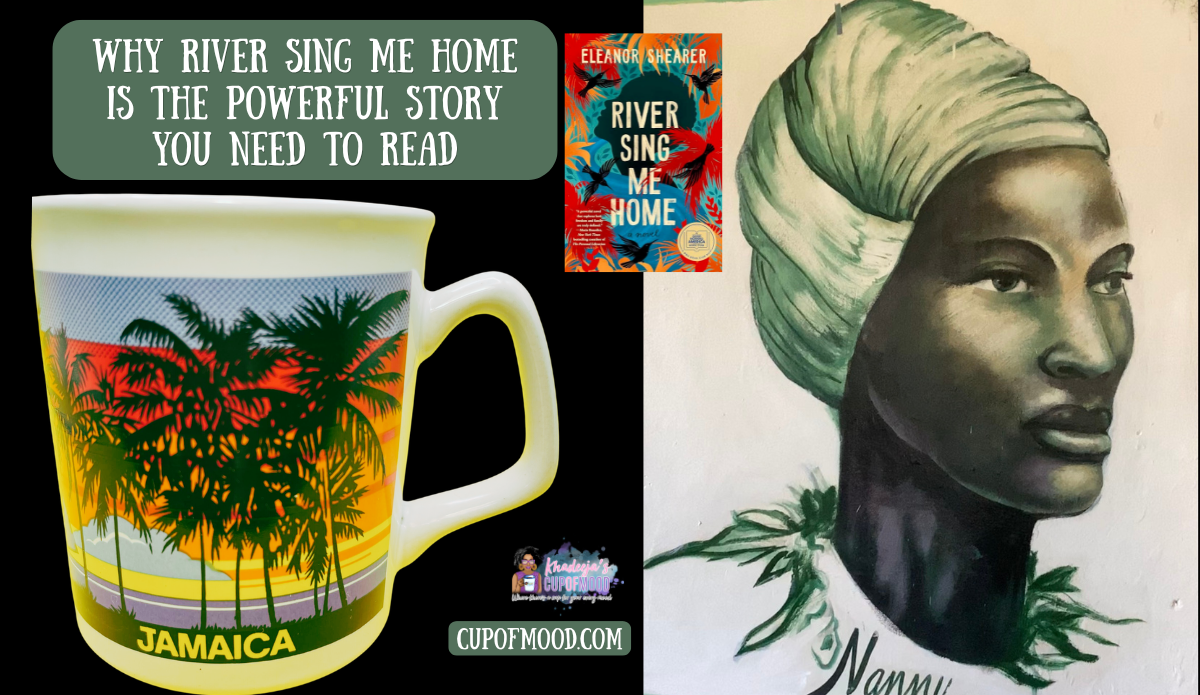
During one visit, I saw this portrait of a Black woman that immediately stayed with me emotionally. Then something unexpected happened while I was reading this book about motherhood and resilience.
As Rachel’s story unfolded, this woman became Rachel in my mind. Rachel is described as tall, strong, resilient, and determined. Every part of her journey reminded me of the quiet dignity carried in this portrait. When I imagined Rachel navigating impossible circumstances while searching for her children, this was the face I saw.
The painting captured everything I imagined throughout the story: strength, endurance, love, and determination. That connection made the novel feel even more personal because Rachel no longer existed only as words on a page. She became someone I could clearly visualize while reading the story unfold.
You can see more from our visit to the Montego Bay Cultural Centre in the video below:

🖼️ How River Sing Me Home Brought Caribbean History To Life For Me
Many of the places and experiences described throughout the novel already felt emotionally familiar to me.
In 2022, Michael and I spent two weeks in Curaçao celebrating my birthday. During that trip I completely fell in love with the island. The beaches and colorful architecture were beautiful. However, what stayed with me most was the opportunity to explore Curaçao’s culture and history in a deeper way.
Whenever we travel, one of our favorite things to do is visit museums and historical sites. Those experiences help us understand the heart of a place beyond the tourist attractions.
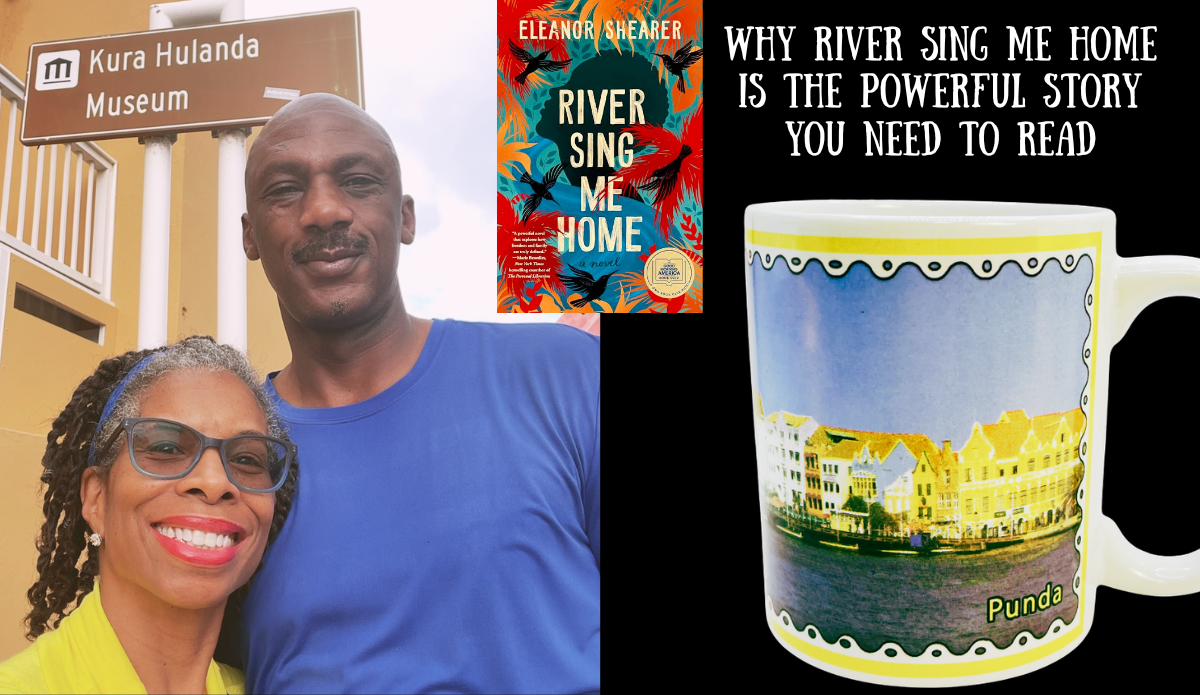
During our time in Curaçao, we visited both the Museum Kurá Hulanda and the Curaçao Maritime Museum. This photo was taken right before Michael and I entered Museum Kurá Hulanda for the first time.
At the time, I had no idea how much that museum experience would stay with me emotionally. Years later, while reading River Sing Me Home, many of those images and emotions came rushing back.
The book made those memories feel vivid all over again.

🌊 When The History In River Sing Me Home Started Feeling Real
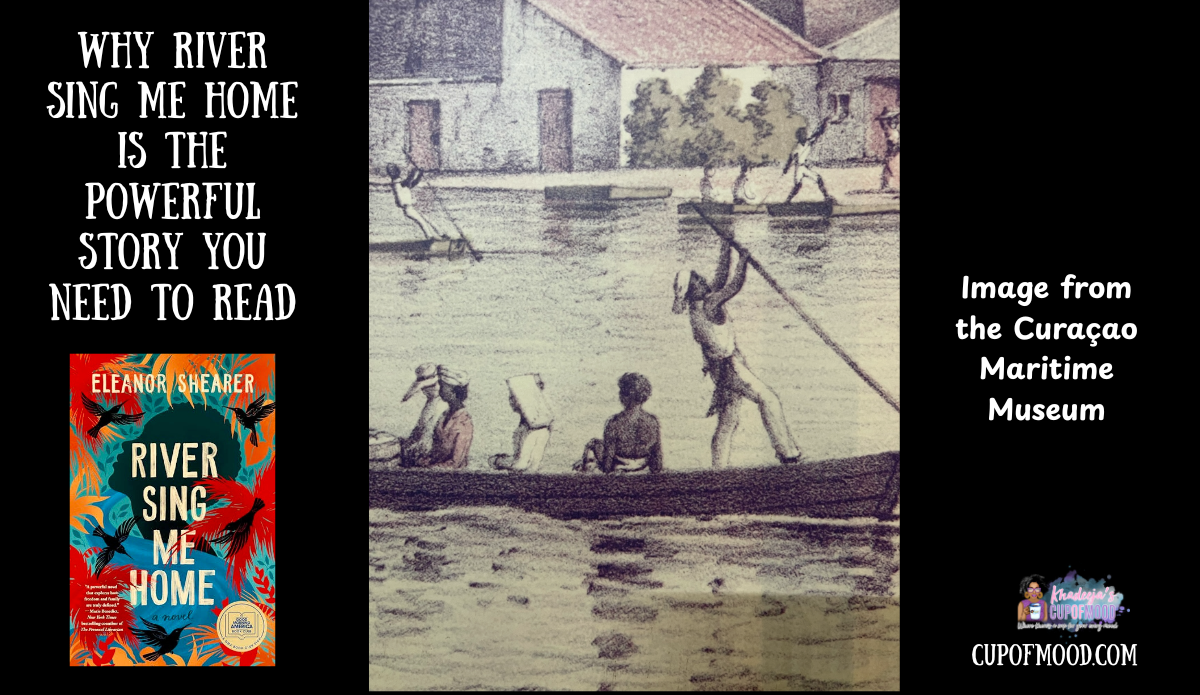
As I continued reading the novel, certain moments immediately brought back images Michael and I had seen during our visit to the Curaçao Maritime Museum.
When Rachel traveled by river and moved through unfamiliar landscapes searching for her children, I kept thinking about one particular image from the museum showing people traveling by boat across the water.
Years earlier, I viewed the image as a historical illustration. After reading Rachel’s journey, I suddenly imagined her among them. The story gave emotional life to images I had already seen.
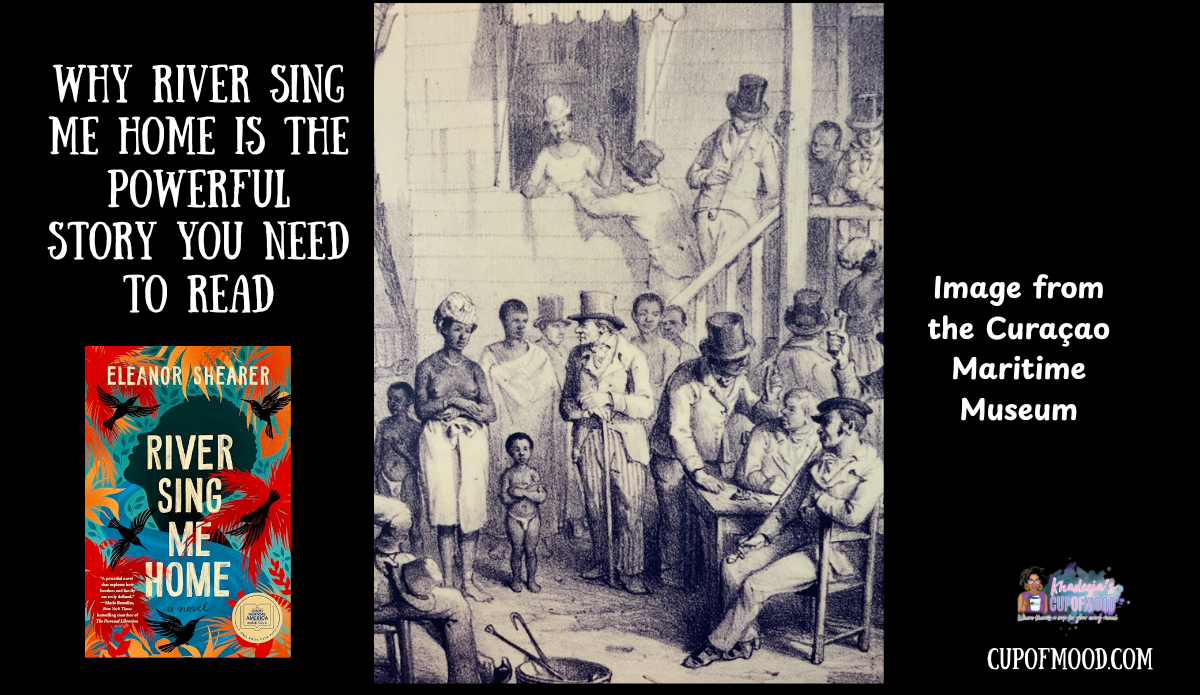
The same thing happened during scenes describing slave auctions and enslaved Africans being sold publicly in Caribbean towns. Those moments immediately brought back museum illustrations showing auction scenes and the horrifying reality of people treated as property.
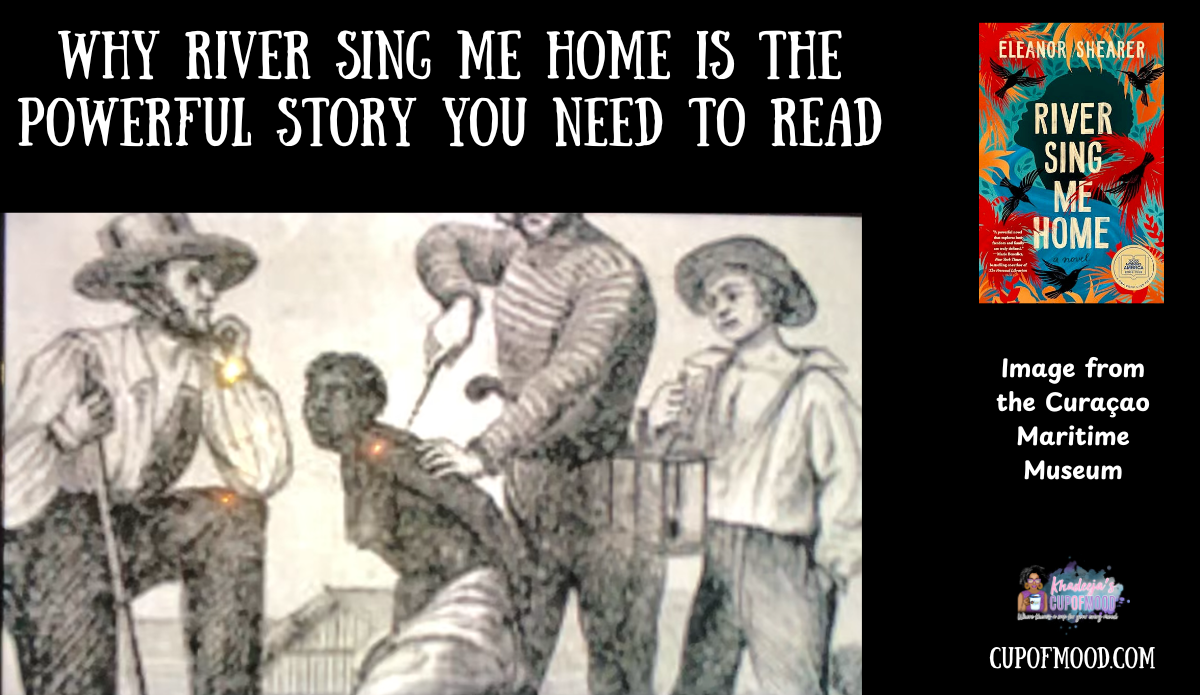
Some of the most painful moments in the novel also reminded me of images depicting violence, punishment, and cruelty inflicted upon enslaved people throughout the Caribbean slave trade. They reminded me of things we saw when we visited the Montego Bay Cultural Center like in the video below:
Although River Sing Me Home is fiction, the historical realities behind the story are very real. Seeing those images years before reading the novel made parts of the story feel vivid and deeply human. That emotional connection is part of what made this historical fiction book so powerful for me personally.
💖 The Parts Of River Sing Me Home That Were Hardest To Sit With
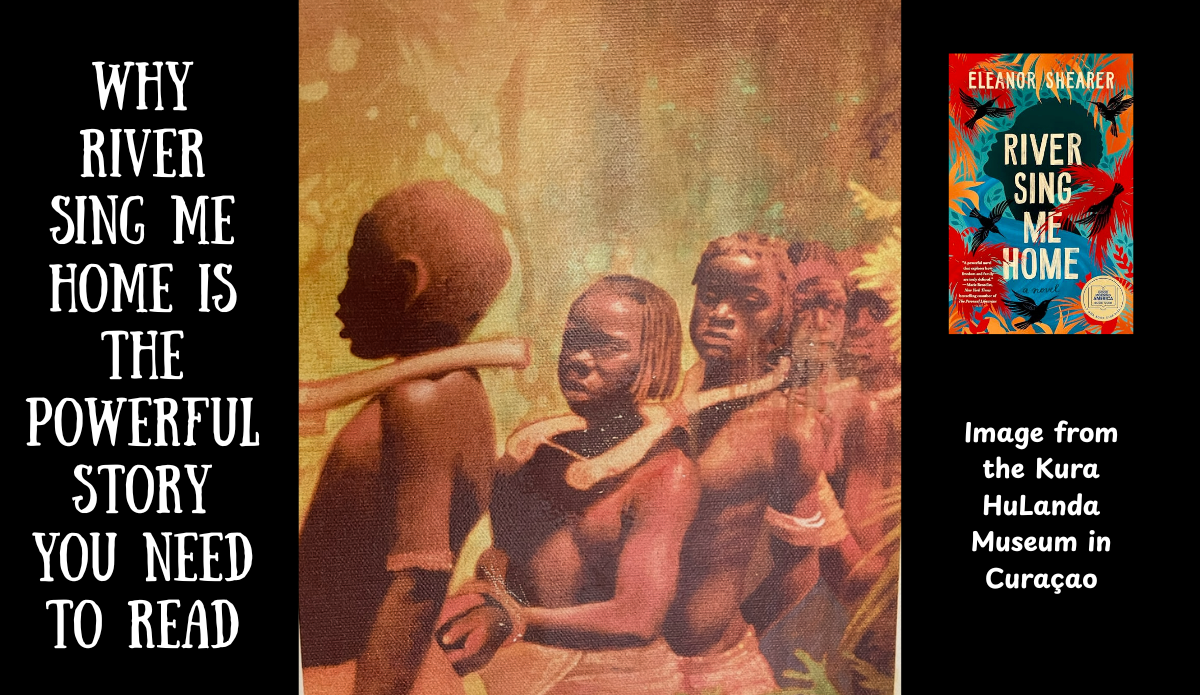
Some of the most emotional moments in this novel involved the separation of families, especially mothers and children.
Whenever Rachel thought about her daughters being taken away from her, I immediately thought back to some of the painful images Michael and I saw while visiting museums in Curaçao.
I still cannot forget the historical artwork and exhibits showing the treatment of enslaved Africans, especially women and children. While reading this novel, many of those images resurfaced in my mind with a completely different emotional weight. The story gave humanity and emotion to experiences that history books sometimes reduce to facts and dates.
What struck me most was the realization that many of the images displayed publicly inside museums are actually some of the milder historical representations.
Because we were physically inside the museums, we also saw actual tools of bondage and punishment used during slavery throughout the Caribbean. Seeing those objects in person feels very different from reading about history at a distance.
You can see some of them for yourself in this video from the museum.

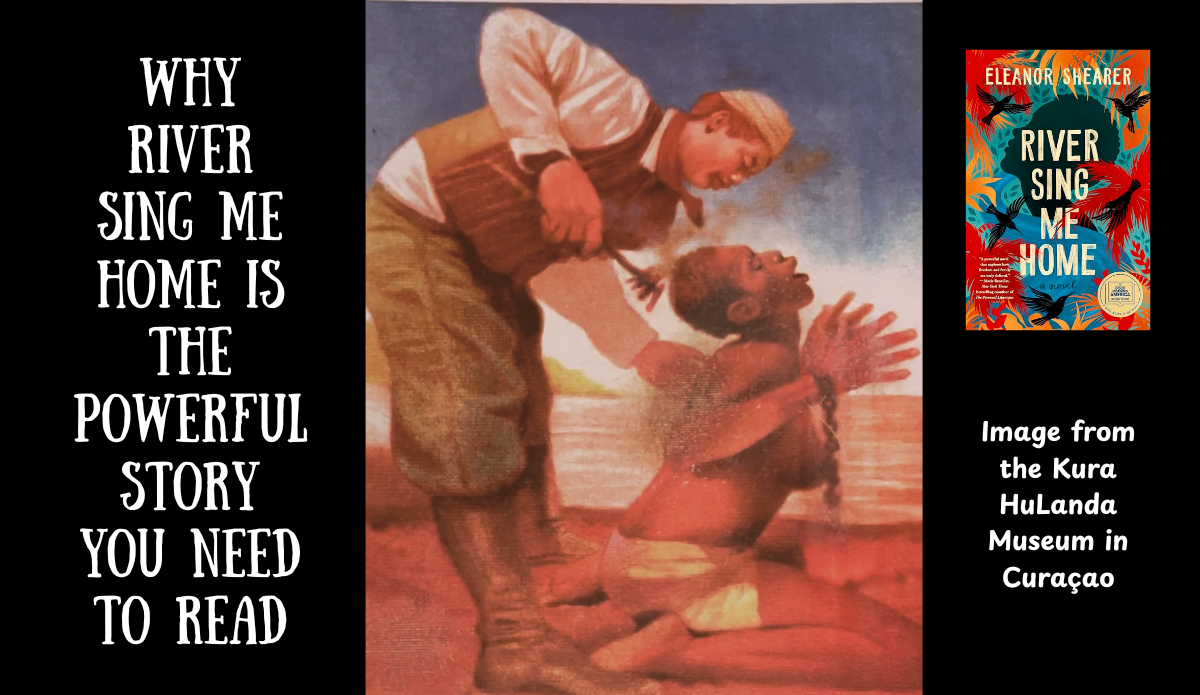
It becomes impossible to pretend these stories were not real. That emotional connection is one reason this book stayed with me so strongly after I finished it.
As we move closer to Juneteenth, I think books about slavery in the Caribbean and stories like River Sing Me Home become even more meaningful because they encourage reflection not only on history itself, but also on the humanity of the people who lived through it.
Juneteenth commemorates the emancipation of enslaved African Americans in the United States. It also reminds us to learn from difficult history rather than avoid it.
For me, reading this novel while reflecting on experiences I have had throughout the Caribbean made that connection feel especially personal.

🌴 Visiting Former Plantations Changed The Way I Read This Book
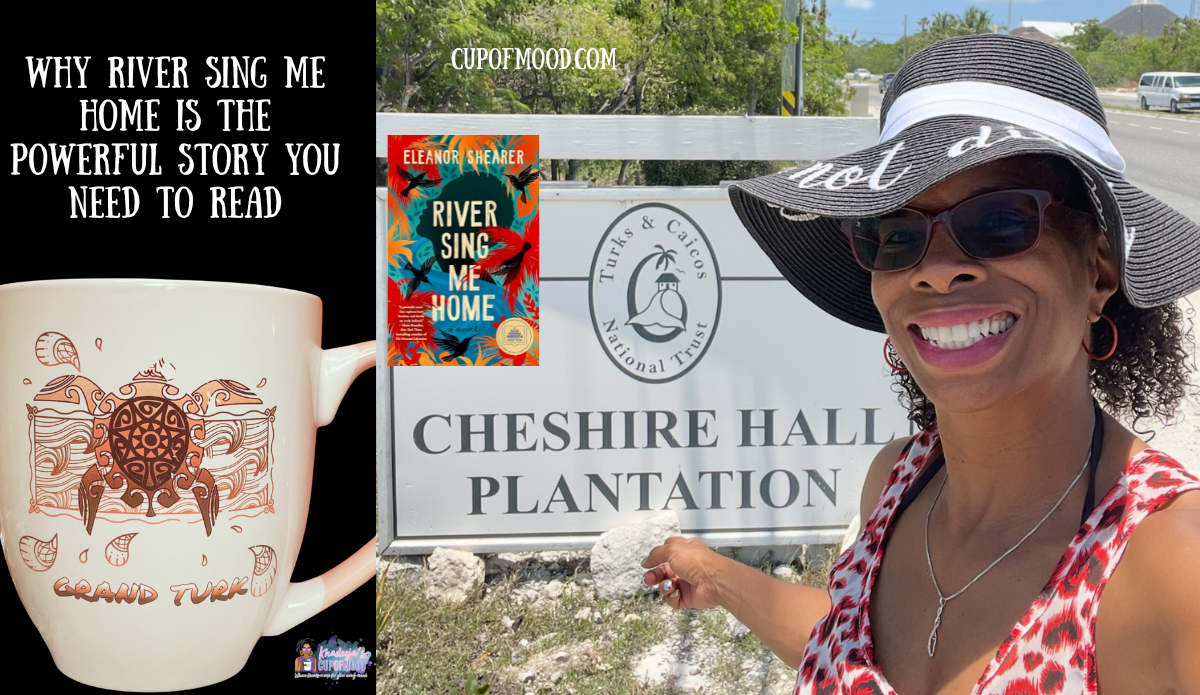
Michael and I have also visited former plantations throughout the Caribbean, and those experiences shaped the way I read this novel.
During a trip to Turks and Caicos, we visited the Cheshire Hall Plantation, a former plantation site that once relied upon enslaved labor during the colonial era. Walking through those ruins created a completely different understanding of plantation life than simply reading about it in textbooks.
Then while reading Rachel describe plantation life throughout the novel, many of those memories immediately resurfaced for me. What especially stayed with me about Cheshire Hall was learning the scale of the plantation itself. At one point, more than 7,000 enslaved people lived and worked there. That number is difficult to fully process.
In today’s world, a population that size could compare to a midsized business or small community. Yet these were human beings living under brutal conditions while generating enormous wealth for plantation owners throughout the Caribbean.
Standing in places like Cheshire Hall makes history feel tangible in a way that is difficult to describe until you experience it yourself. That is part of why this book affected me so deeply. The story constantly reminded me of real places, real histories, and real people whose lives shaped the Caribbean we know today.

🌿 Rachel’s Journey Also Made Me Think About The Maroons
Another part of River Sing Me Home that stayed with me deeply was Rachel’s encounters with Maroon communities throughout her journey.
While reading those scenes, I immediately thought about a visit Michael and I made to the Accompong Maroon Village in Jamaica’s St. Elizabeth Parish. There, we learned more about the history and legacy of the Jamaican Maroons.
The Maroons were communities of formerly enslaved Africans who resisted slavery, escaped plantations, and created independent settlements throughout the Caribbean. Their history represents survival, resistance, courage, and determination.
During our visit, I was especially moved by the legacy of Nanny of the Maroons, one of Jamaica’s national heroes and one of the most important figures connected to Maroon history. You can learn more about Nanny of the Maroons and her incredible legacy here.
And to see parts of our trip to the Accompong Maroon Village check out the video below and stay tuned for more fascinating details from our visit.

As I read about Rachel navigating danger and uncertainty, I kept thinking about women like Nanny and the generations of Caribbean women whose strength carried entire communities through impossible times.
We drove through the mountains and saw all of the terrain and I could only imagine not having a vehicle to navigate it. The thought of navigating it on foot, possibly barefoot, while trying to maintain your freedom and your life so you could find your children.
Having the actual visuals in places where her story could have actually happened made Rachel’s story feel even more emotionally grounded and connected for me.

📚 River Sing Me Home Also Sparked My Curiosity About Caribbean History
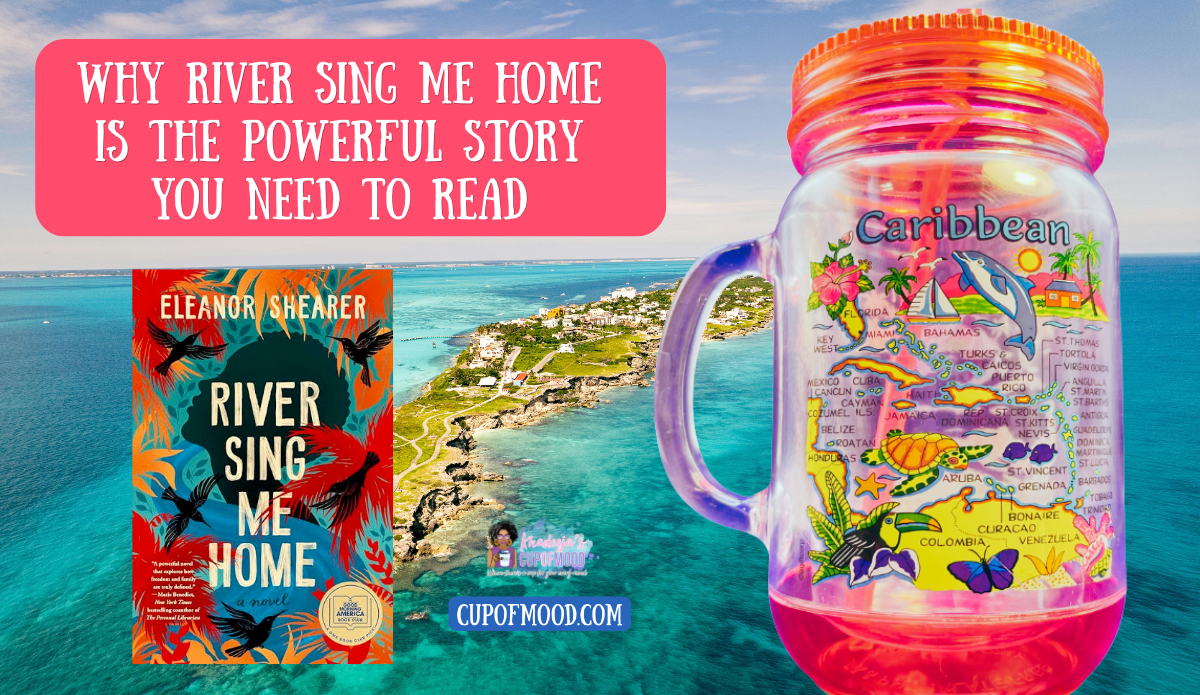
One thing I truly appreciated about River Sing Me Home is that it pushed me to learn even more about Caribbean history beyond the story itself.
Admittedly, it doesn’t take much for me to want to learn more about the Caribbean. On my bucket list is to visit every Caribbean Island. And I do mean, every island. Big and small!
Throughout the novel, there were references to places, island names, colonial histories, and historical realities that I realized I knew very little about.
For example, before reading this book, I had never heard of Demerara. The moment it came up in the story, I paused to look it up and found myself fascinated by the history connected to the region and its colonial past. I was surprised to learn Demerara was a historical Dutch and British colonial region that is now part of modern-day Guyana.
That happened several times while I was reading. The novel reminded me how layered Caribbean history truly is. Many islands share histories shaped by colonization, slavery, migration, resistance, and survival.
Because I have spent years traveling throughout the Caribbean, those discoveries made the story feel even more meaningful to me.
In fact, my recent interest in Caribbean history inspired me to read Caribbean by James A. Michener. I also plan to review that book soon because it explores the region’s history across centuries in a completely different way.
I love when books inspire curiosity beyond the final page, and River Sing Me Home absolutely did that for me.

💖 At Its Heart, River Sing Me Home Is A Story About A Mother’s Love
Even with all of the historical depth throughout this novel, the part of the story that stayed with me most was the love Rachel had for her children.
Everything she endured, every risk she took, and every obstacle she faced came back to one simple truth: a mother’s love has extraordinary strength. As a mom and Nana myself, that emotional connection resonated with me deeply throughout the novel.
The story also made me think about my own mother and the generations of strong Black women who came before me. Women carried families, survived unimaginable hardships, nurtured communities, protected children, and continued moving forward with resilience and love.
That legacy matters. This story reminded me that motherhood itself is part of survival, remembrance, strength, and hope across generations.

That is one reason this story felt especially meaningful shortly after Mother’s Day and leading into Juneteenth. Both moments encourage reflection on love, sacrifice, family, resilience, and legacy in very different but deeply connected ways.
While Mother’s Day officially lasts one day on the calendar, I believe every day is a beautiful opportunity to honor the mothers, grandmothers, and maternal figures who shape our lives.
If you are looking for thoughtful gifts that celebrate moms year-round, you can also explore the CupofMood Mother’s Day Collection, which features mugs and drinkware inspired by love, encouragement, motherhood, and meaningful everyday moments.

☕ My CupofMood Rating
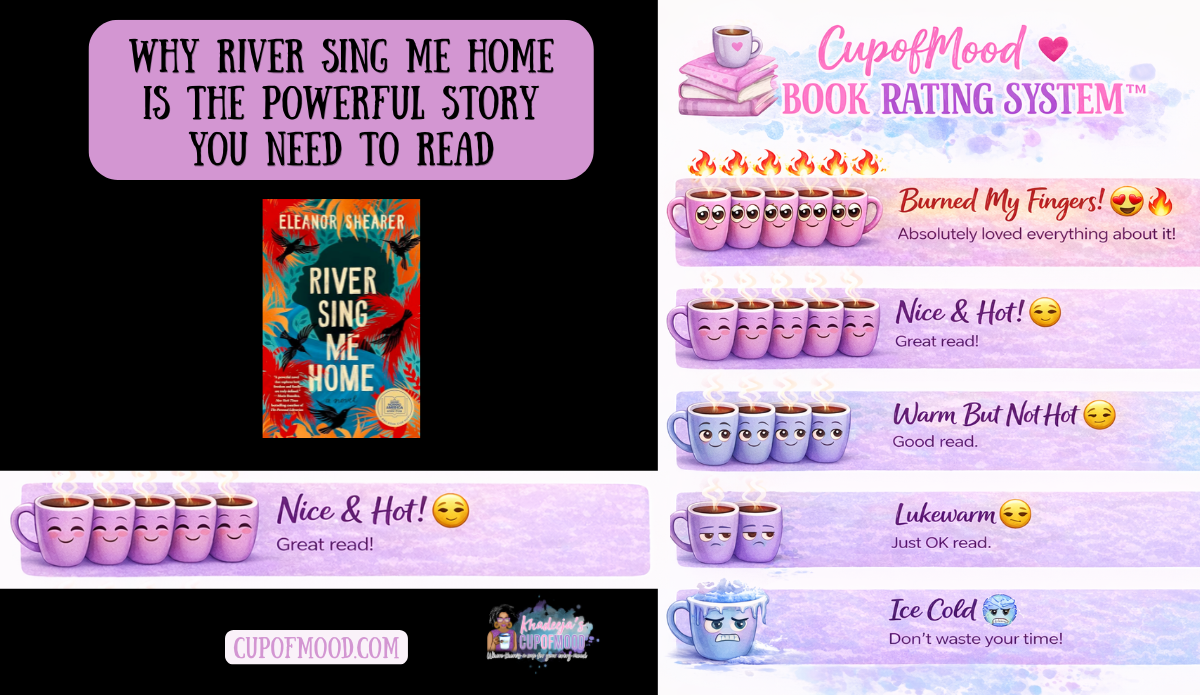
At the end of every book review, I use my personal CupofMood Book Rating System to rate the reading experience.
For River Sing Me Home, I gave it a strong:
☕☕☕☕☕ Nice & Hot 😉
For me, this book was beautifully written, emotionally powerful, historically rich, and deeply memorable. Rachel’s love for her children stayed with me long after the book ended. I also appreciated how the novel blended Caribbean history, survival, motherhood, resilience, and humanity into such a compelling journey.
The reason I stopped at “Nice & Hot” instead of my highest “Burned My Fingers!” rating is simple. Parts of this story may feel emotionally difficult or triggering for some readers because of the realities of enslavement, violence, and family separation woven throughout the novel.
And yet, even while writing that, I found myself reflecting on something deeper. As a Black woman today, I at least have the privilege of being emotionally triggered by this history rather than physically living it.
That realization stayed with me throughout the book. This story made me think about the generations of Black women who came before me. Some ancestors lived far closer to these historical realities than many of us realize.
It made me proud of the resilience, strength, endurance, and survival carried by Black women across generations. At the same time, it also made me sad that survival has so often been required in the first place.
That is part of what makes River Sing Me Home such a meaningful read. It is more than just historical fiction. It is a story about motherhood, survival, remembrance, resistance, love, and the enduring humanity of people whose stories deserve to be remembered.
If you enjoy emotionally rich historical fiction, books about Black motherhood, or books set in the Caribbean, I absolutely recommend adding this novel to your reading list.

☕ The Final Sip

At the end of the day, River Sing Me Home reminded me that history is never as far away as we sometimes think it is.
For me, this was not simply a Caribbean historical fiction novel or even just a powerful book about slavery and survival. It became personal because so many parts of Rachel’s journey connected directly to places Michael and I have actually visited throughout the Caribbean. I could picture the rivers, plantations, museums, villages, and waterfronts while reading because I have stood in many of those spaces myself.
That connection made this book feel deeply emotional and incredibly real. At the same time, my travels throughout the Caribbean have also shown me something beautiful. Alongside the painful history, there is also incredible resilience, culture, creativity, joy, music, warmth, and pride throughout the islands today. That balance matters too.
Curaçao especially left a lasting impression on me because of its history, colorful architecture, vibrant culture, and unforgettable energy. One of my favorite memories there was exploring the famous MLB wall and the colorful waterfront streets in downtown Punda. I shared more about that experience in my blog, The Caribbean Cruise Port MLB Wall In Curaçao.
That is one reason I appreciated River Sing Me Home so much. The story encouraged me to reflect honestly on Caribbean history while also appreciating the strength and beauty that continue to thrive throughout the islands today.
Most importantly, this story reminded me of the enduring power of a mother’s love. And that is something that will stay with me long after the final page.
Until Next Time,
Namaste,
Khadeeja