
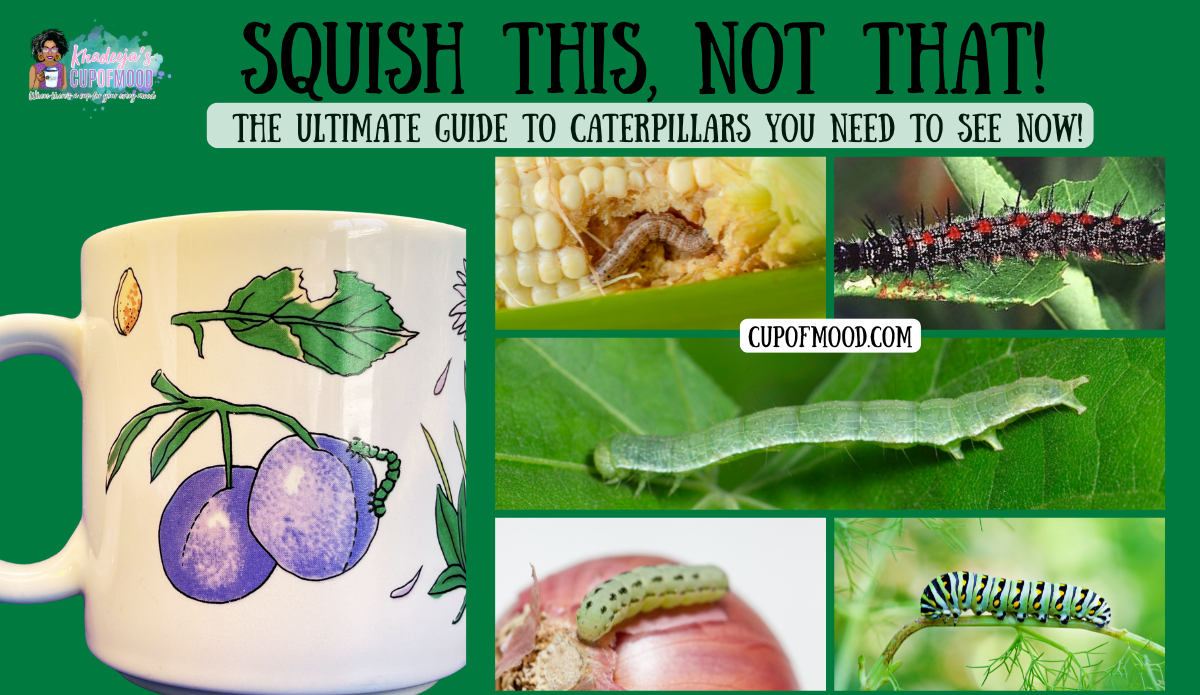
Some caterpillars can make a feast out of your garden, while others are simply growing into the beautiful butterflies you hoped would visit. The trick is knowing who is who. 🐛🦋
More than 20 years ago, when Michael and I first moved into our home, our backyard was pretty much bare. There was a privacy fence, an air conditioner, and plenty of room for my imagination to get to work.
I have always loved gardening, and I especially love having nature around me. Over the years, that once-bare yard grew into gardens throughout the front, back, and sides of our home. I added bird-feeding stations, including some right outside my office window, along with plenty of plants chosen specifically to welcome butterflies.
Every year, I plant host plants and nectar plants because I want those butterflies here. After all these years, my hard work has definitely paid off. Monarchs, swallowtails, Gulf Fritillaries, Cloudless Sulphurs, and butterflies I cannot always identify float through my gardens like beautiful floating flowers. 🦋🌸
I have even had the honor of watching butterflies lay their eggs on my plants.
So you might think I would tell you to protect every caterpillar you find.
Wellllll…not exactly. 😂
🔎🐛 Before You Squish Anything, Find Out Who Is Eating

My overall gardening philosophy is pretty simple: live and let live. If something is enjoying a plant and causing very little harm, I am usually happy to share.
However, some caterpillars can do significant damage quickly. The Safer Brand caterpillar guide identifies pests including corn earworms, cabbage loopers, armyworms, and tomato hornworms that feed on garden crops and other plants.
That is why I think the smartest rule is: Look at the caterpillar. Look at the plant. Then decide.
Host plants can be one of your best clues. Butterfly caterpillars often depend on particular plants, so something happily munching your dill may deserve a very different response from something demolishing your tomatoes.
And around here, the truly destructive ones may earn themselves a complimentary trip to the chicken coop. 🐛🐔😂
🌽🦋 Squish This, Not That #1: Corn Earworm vs. Eastern Black Swallowtail
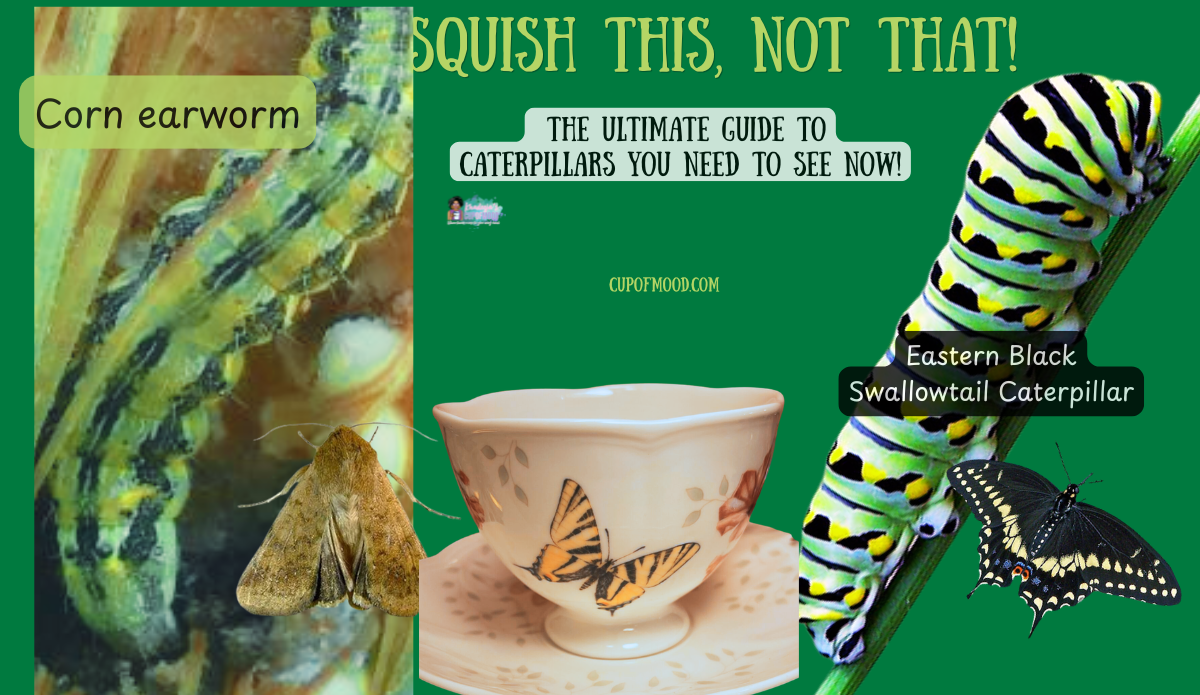
Let’s start with the corn earworm, because this caterpillar has quite the appetite. Its color can vary from green and yellow to brown, pink, or nearly black, and it especially likes corn and tomatoes while also feeding on many other garden plants.
Now compare that with an Eastern Black Swallowtail caterpillar. As it matures, it develops striking green, black, yellow, and orange markings. More importantly, check where you found it.
Black Swallowtail caterpillars use plants in the carrot family, including dill, parsley, fennel, celery, and carrots, and their feeding usually is not enough to seriously injure those plants.
If I planted dill specifically to host butterflies, somebody eating the dill is simply taking me up on my invitation. 😂
🥬🦋 Squish This, Not That #2: Cabbage Looper vs. Cloudless Sulphur
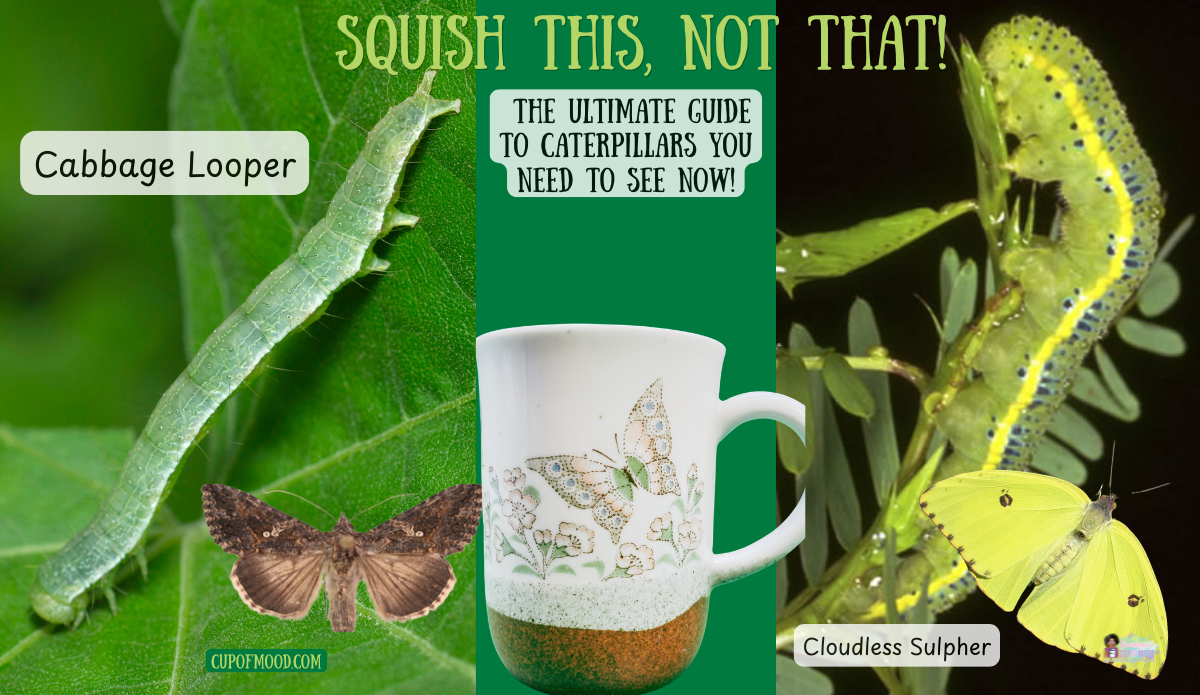
A cabbage looper can blend beautifully into green leaves while chewing holes through cabbage, cauliflower, broccoli, Brussels sprouts, and other vegetables. It gets its name from that familiar looping, inchworm-style movement.
A Cloudless Sulphur caterpillar can also be green, which is where things get interesting. Instead of heading for your cabbage patch, Cloudless Sulphurs use plants such as Senna and Chamaecrista as hosts.
I see Cloudless Sulphurs regularly in my own garden, so this is exactly why I hesitate before declaring war on something simply because it is chewing.
Sometimes that little green eating machine is working on becoming one of those gorgeous yellow butterflies floating through the yard.
🌿🦋 Squish This, Not That #3: Armyworm vs. Monarch Caterpillar
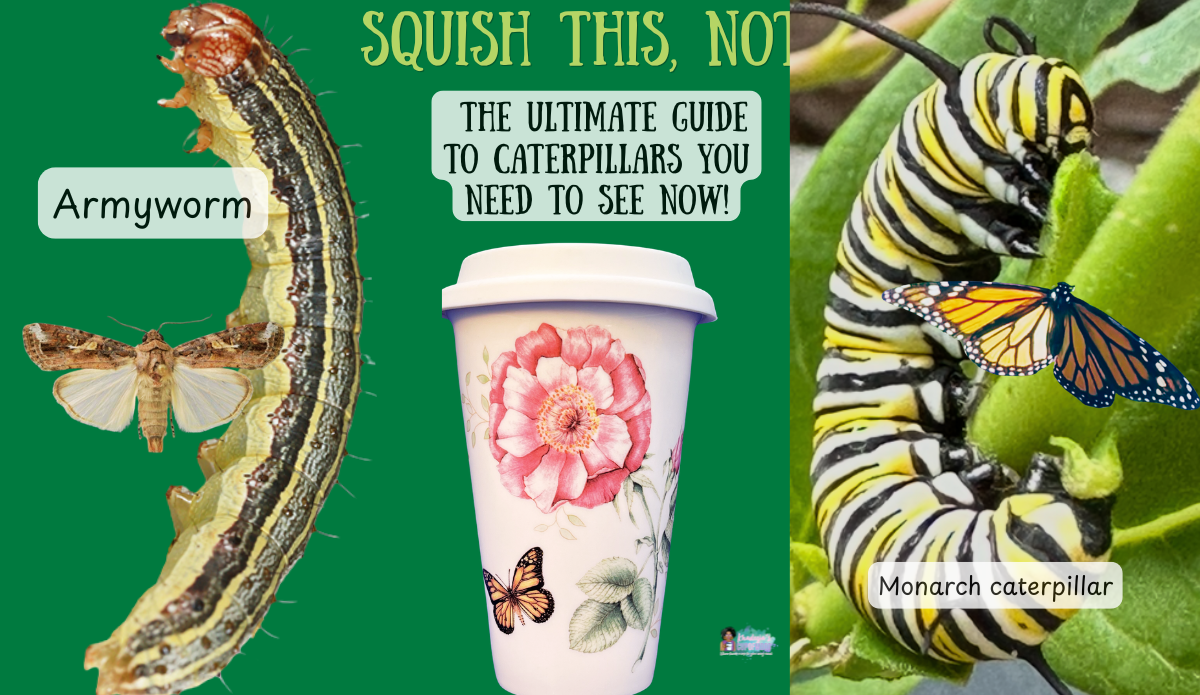
Armyworms definitely fall into the bad-news-before-breakfast category. They feed on grasses and numerous crops, including corn, cabbage, beans, carrots, onions, peppers, and sweet potatoes. Their dark bodies can also carry contrasting stripes, so a quick glance is not always enough.
Then there is the beautifully striped Monarch caterpillar. Here is your giant clue: milkweed. Monarch caterpillars depend on milkweed as their host plant. Female Monarchs lay their eggs there, and the caterpillars feed on milkweed after hatching.
Monarchs are also a little extra special to me because, for whatever reason, they remind me of my dad. So when I see one floating through the garden, there is beauty in that moment and a little memory attached to it too. 🦋❤️
That is certainly worth checking a plant before squishing anything.
🍅🦋 Squish This, Not That #4: Tomato Hornworm vs. Eastern Tiger Swallowtail
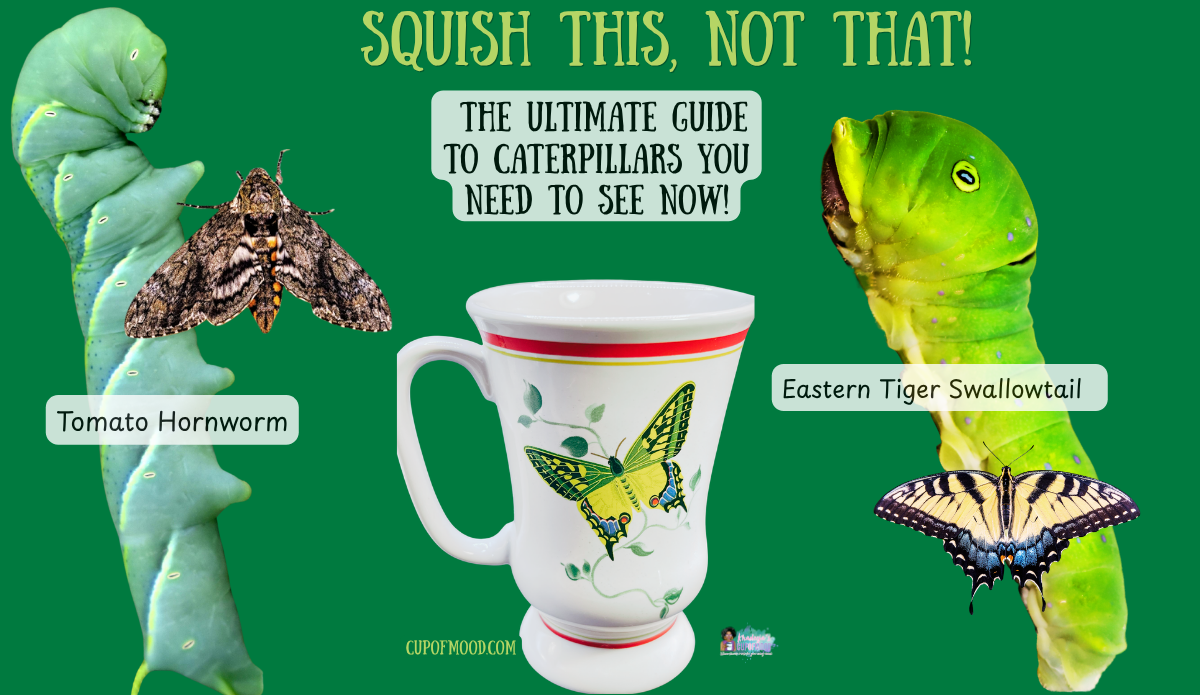
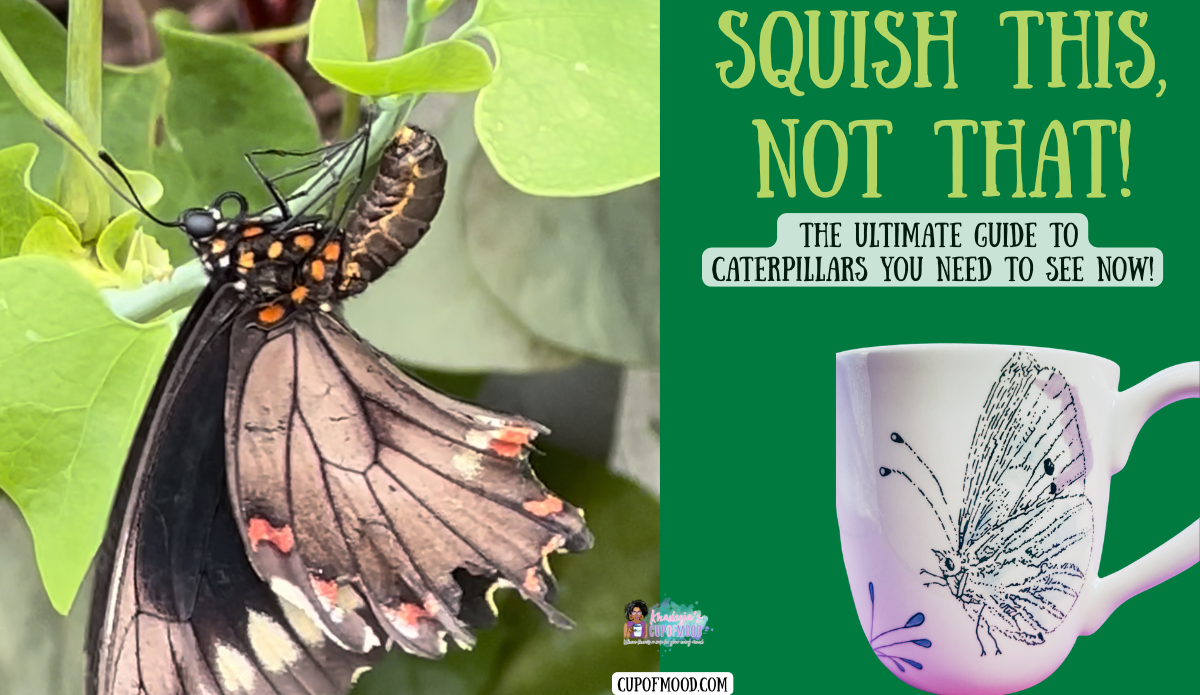
I used to be pretty adamant about getting these caterpillars off my tomato plants because they can chew through leaves at an impressive rate. Mature tomato hornworms can reach about four inches long, with white V-shaped markings along their sides and that unmistakable horn-like projection at the rear. They can heavily defoliate tomato plants and may also feed on the fruit.
An Eastern Tiger Swallowtail caterpillar can also become large and green. Look closely, though, and you may see its wonderful false eyespots, which can give it an almost cartoonish little snake face. Its hosts include trees such as sweet bay magnolia, tulip tree, and black cherry.
And here is one more garden trick worth knowing: if you see a tomato hornworm covered in little white rice-looking cocoons, leave it alone. Parasitoid wasps are already handling that problem and can eventually help control other hornworms too.
Nature has a whole management department of its own. 😂
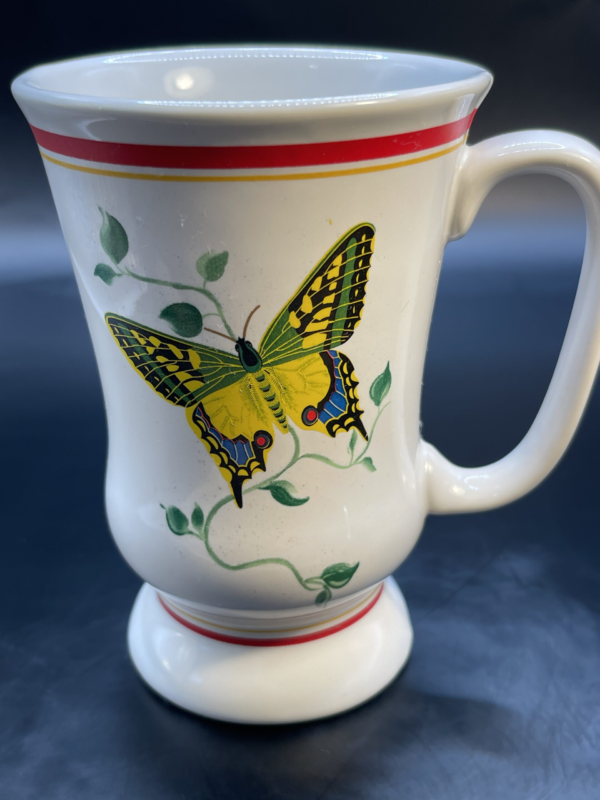
🦋🌙 Wait…Is That Going To Be A Butterfly Or A Moth?
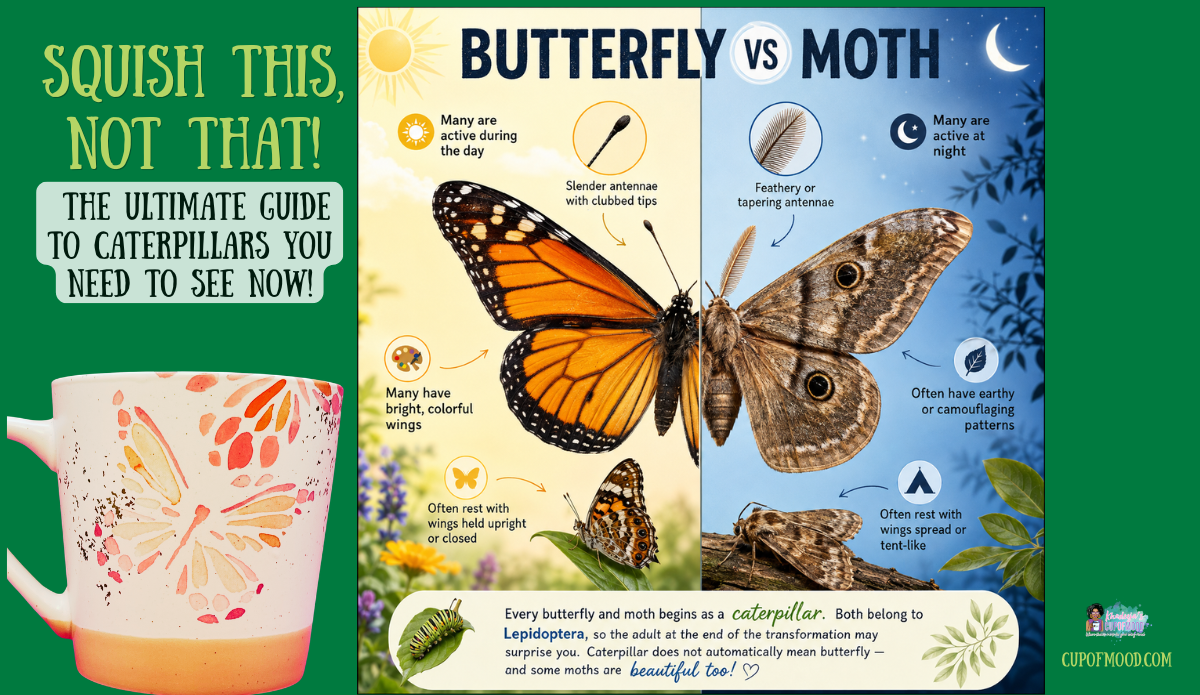
It’s interesting to note that while every butterfly and moth begins with a caterpillar. The adult waiting at the end of the transformation may surprise you.
Butterflies and moths are both members of Lepidoptera, and sometimes the differences are less obvious than people expect. One useful adult clue is the antennae: butterflies generally have slender antennae with knobbed ends, while moth antennae are often feathery or taper toward the end.
Also, many butterflies are active during the day. While many moths are mostly associated with nighttime activity. Either way, caterpillar does not automatically mean butterfly. But at the same time, some moths are beautiful!
That alone makes identifying your garden visitor worth the extra minute.
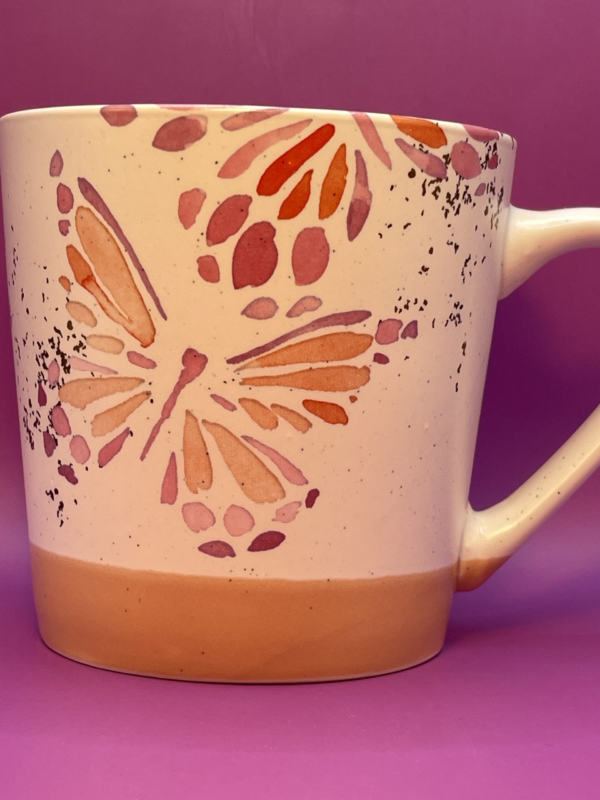
🐛🦋 Take The CupofMood Caterpillar Check!
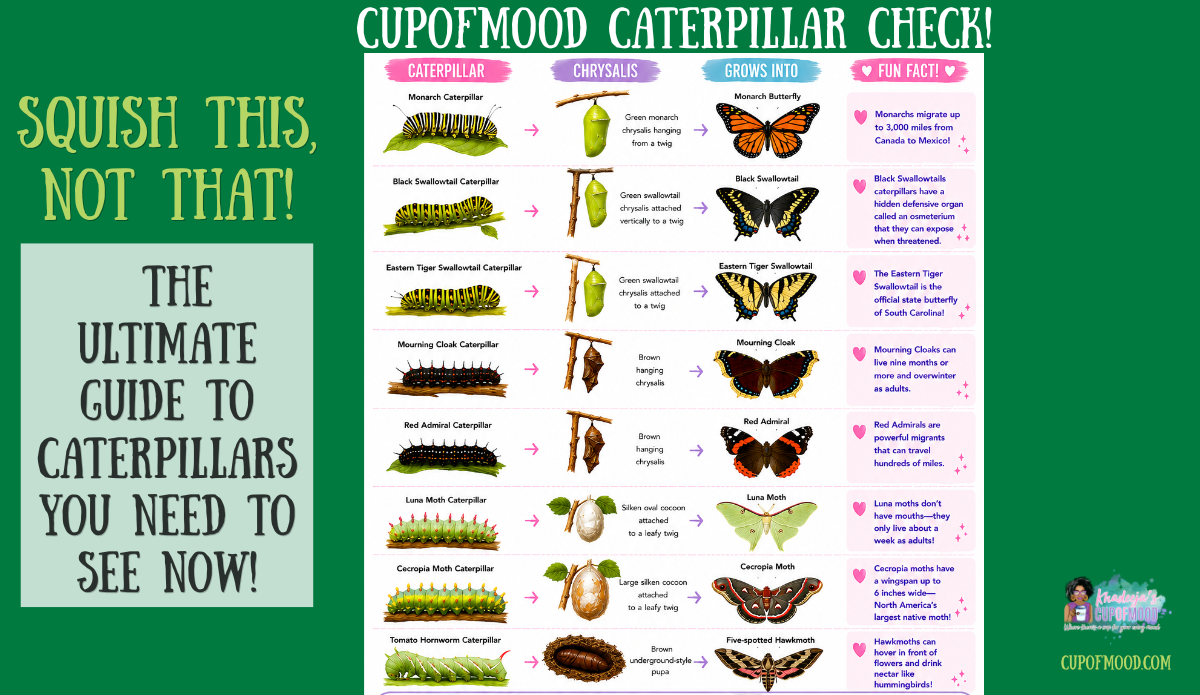
By now, you can probably see why I spend a little time looking before deciding what to do with a caterpillar in my garden. That tiny creature munching away today may look completely different once its transformation is complete.
So I created this CupofMood Caterpillar Check as a quick visual guide. It shows several caterpillars alongside their chrysalis or cocoon stage and the butterfly or moth waiting at the other end.
You may recognize future Monarchs, Black Swallowtails, Eastern Tiger Swallowtails, Mourning Cloaks, and Red Admirals. You will also find a few spectacular moths, including Luna and Cecropia moths.
And yes, our old friend the tomato hornworm makes an appearance too. 😂 The more you recognize the caterpillars sharing your garden, the easier it becomes to decide who gets to keep eating, who might need relocating, and who may be headed toward the chicken coop. 🐛🐔

🦋☕ Bringing A Little Butterfly Beauty Inside
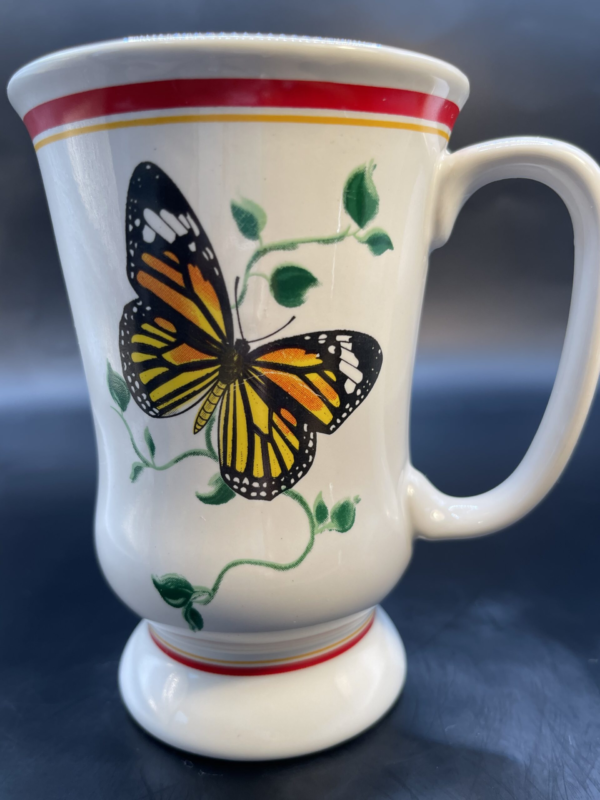
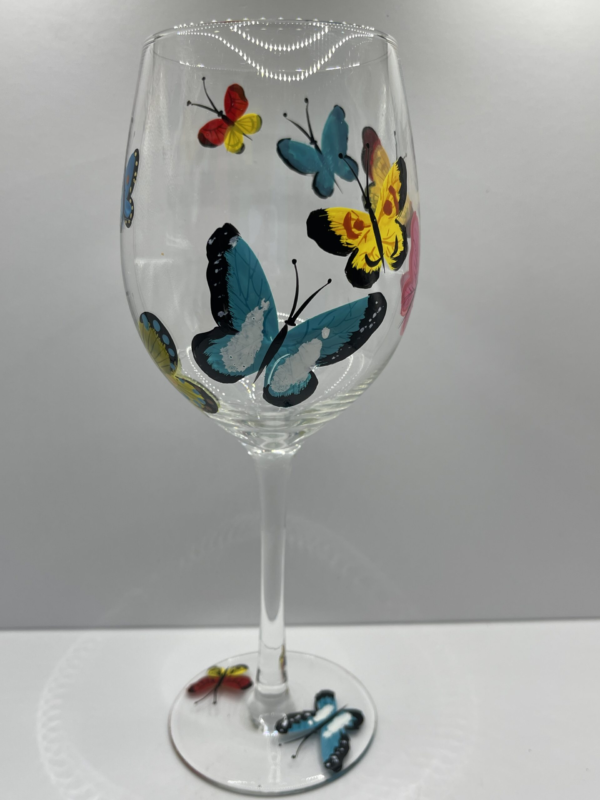
Perhaps it is no surprise that I enjoy curating butterfly drinkware for CupofMood. After more than two decades of planting for butterflies, watching them visit my flowers, finding their caterpillars. And even witnessing them lay eggs, butterflies have become part of the rhythm of my garden.
You can explore the CupofMood Butterfly Collection for mugs and other drinkware celebrating these beautiful creatures.
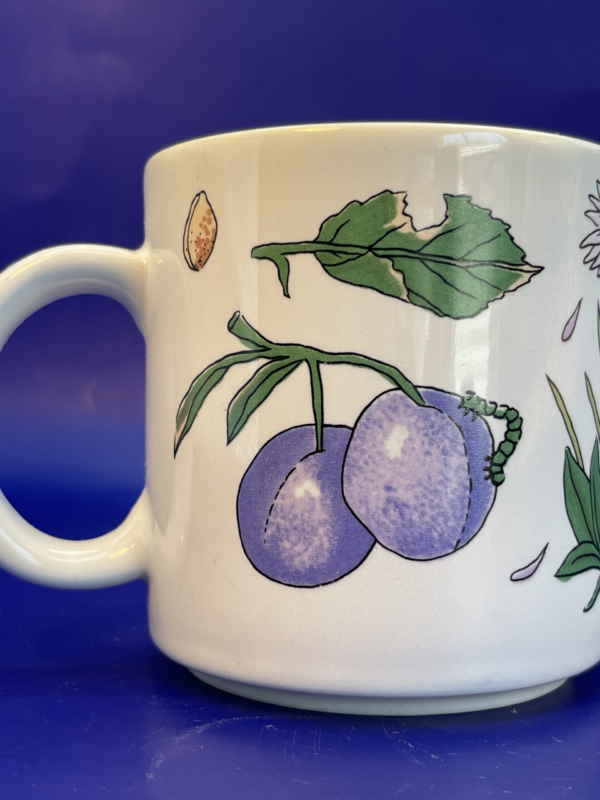
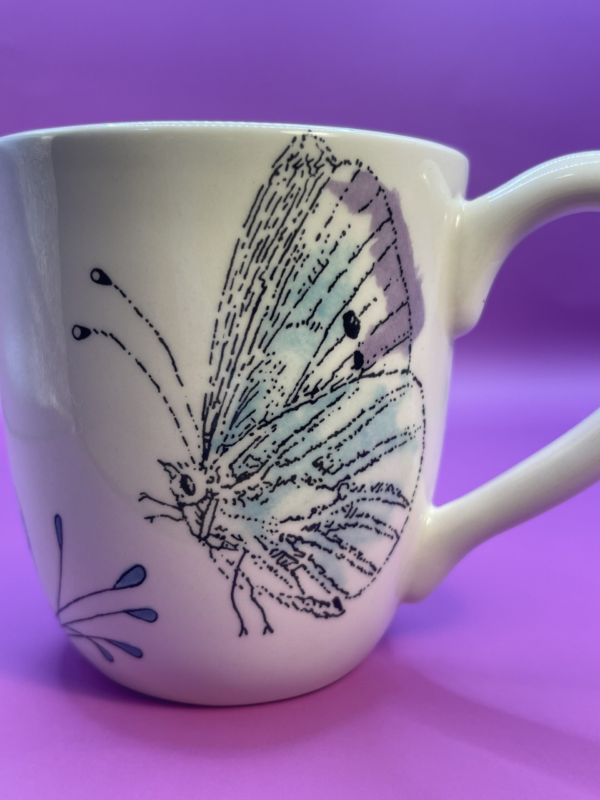
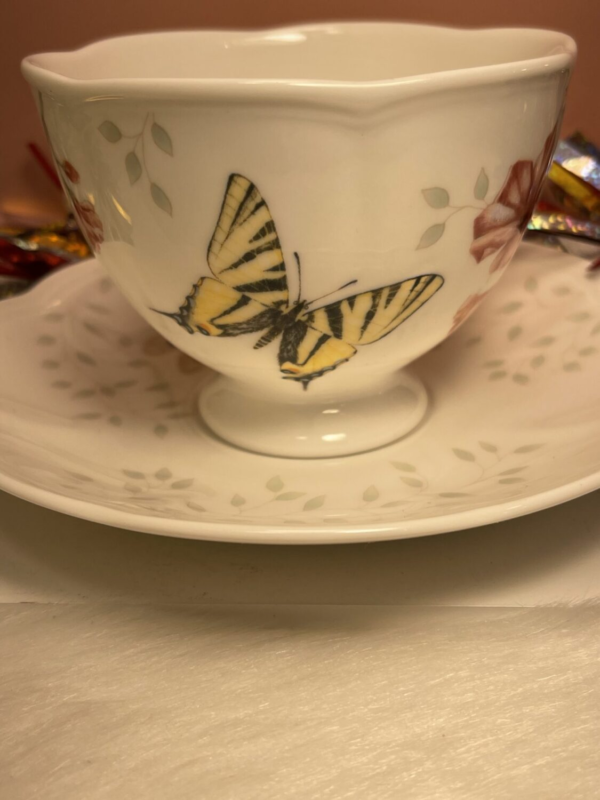
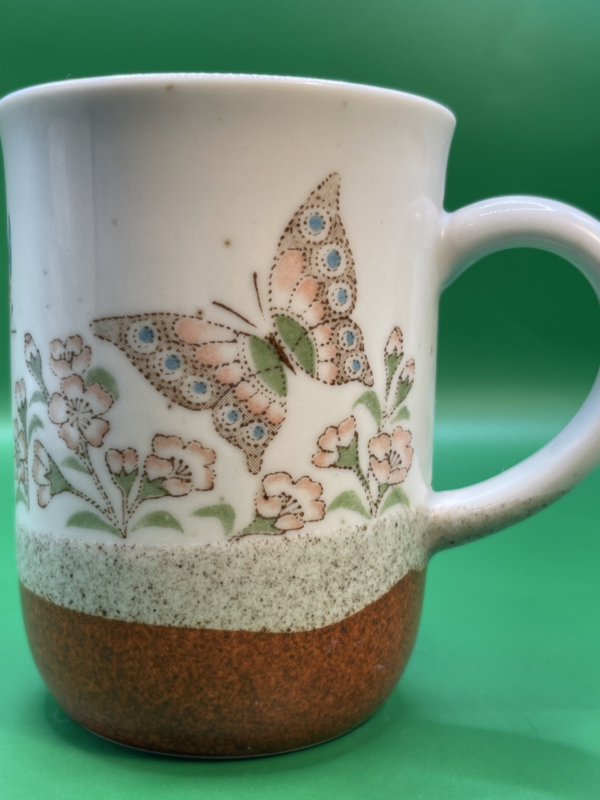
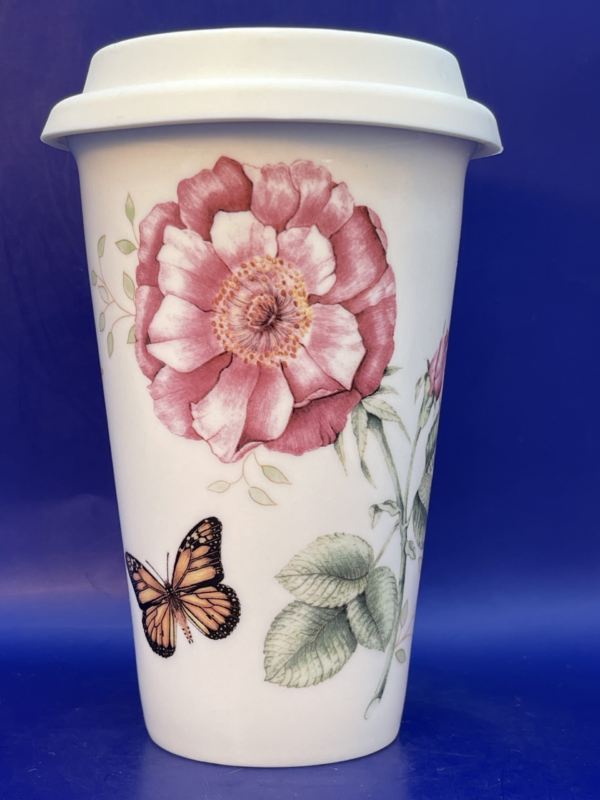
Throughout this blog, I have also tucked pieces from the collection into the comparison images. Consider them little CupofMood cameos among my beautiful floating flowers. 🦋☕
🐛🦋 The Final Sip
Finally, my garden has never been about creating a perfectly controlled space. I created it because I wanted nature around me.
I wanted birds outside my office window. I wanted flowers blooming throughout the yard. Most of all, I wanted butterflies floating through the front, back, and sides of my home.
That means accepting that leaves will occasionally get chewed because host plants are supposed to be eaten. It also means recognizing when a caterpillar can genuinely damage something I am trying to grow and deciding whether relocation—or a little trip to visit my chickens—is the better choice. 😂🐔
Twenty-something years after starting with that mostly bare backyard, I still get excited when I see butterflies in my garden. Some are Monarchs, some are swallowtails, some are Gulf Fritillaries or Cloudless Sulphurs, and sometimes somebody flies by so quickly that I never figure out exactly who came to visit.
I love them all. They are my little garden children and grandbabies, and seeing them tells me that all those years of planting host plants, nectar plants, flowers, shrubs, and trees have created exactly the kind of space I hoped for.
So the next time you find a caterpillar having lunch in your garden, take one good look before you decide what to do.
Squish this? Save that? Or simply let that future beautiful floating flower finish eating? 🐛🦋❤️
SquishThisNotThat #GardenCaterpillars #CaterpillarIdentification #ButterflyGarden #ButterflyGardening #MonarchButterfly #SwallowtailButterfly #GardenTips #ButterflyLovers #WildlifeGarden #ButterflyDrinkware #CupofMood